For many years, humans have been blaming single-use plastic for causing severe pollution to the environment. However, according to new research published on Oct. 26 in the journal Environmental Science & Technology, the environmental impacts of single-use plastic are exaggerated.
Stepping into 2023, people's awareness regarding environmental problems has increased remarkably, thus driving consumers to minimize the use of products that are considered ungreen, one of which is single-use plastic.
However, Shelie Miller - An environmental engineer at the University of Michigan recently revealed another approach to single-use plastic in her research paper, which emphasized our five most popular misperceptions about the environmental effects of this item.
People tend to focus on the impact of the packaging, rather than the impact of the product itself, said Shelie Miller - Associate Professor at the School for Environment and Sustainability and Director of the U-M Program in the Environment.
Despite many doubts, a study by the University of Michigan indicated that “Two-thirds of the plastic consumed in the United States in 2017 was used for other purposes (than packaging) including building construction, electronics, furniture, automobiles, home furnishings, and various consumer products.” That means there is a large amount of plastic waste coming from other sources rather than from plastic packaging.
There is a large amount of plastic waste coming from other sources rather than from plastic packaging
#2 Misperception: Plastic is by far the most environmentally polluted compared to other packaging materials
The truth is when it comes to the conclusion of a material's environmental impact, we need to consider the effects that occurred at every stage of its lifetime. Therefore, the research took advantage of the Life-cycle assessment tool to divide lifetime environmental impacts into multiple categories including water and resource depletion, climate change and energy use, solid waste generation, biodiversity loss, and ecological toxicity.
There is a wide range of invisible environmental impacts while plastics in their common appearances like cans, bottles, and boxes,... are amongst the most visible. Consequently, we believe that plastics have the greatest impact on the environment.
According to some research, plastic generally has lower overall environmental impacts compared to single-use glass or metal in most categories. Furthermore, the manufacturing of glass bottles is to energy- and resource-intensive to be called eco-friendly.
Non-reusability is probably the most controversial issue of single-use plastics. However, the research pointed out the environmental impact of a material is tied to its content inside rather than its containers.
Besides, only when being reused enough times, reusable products have lower environmental impacts because their manufacture requires tons of materials and energy.
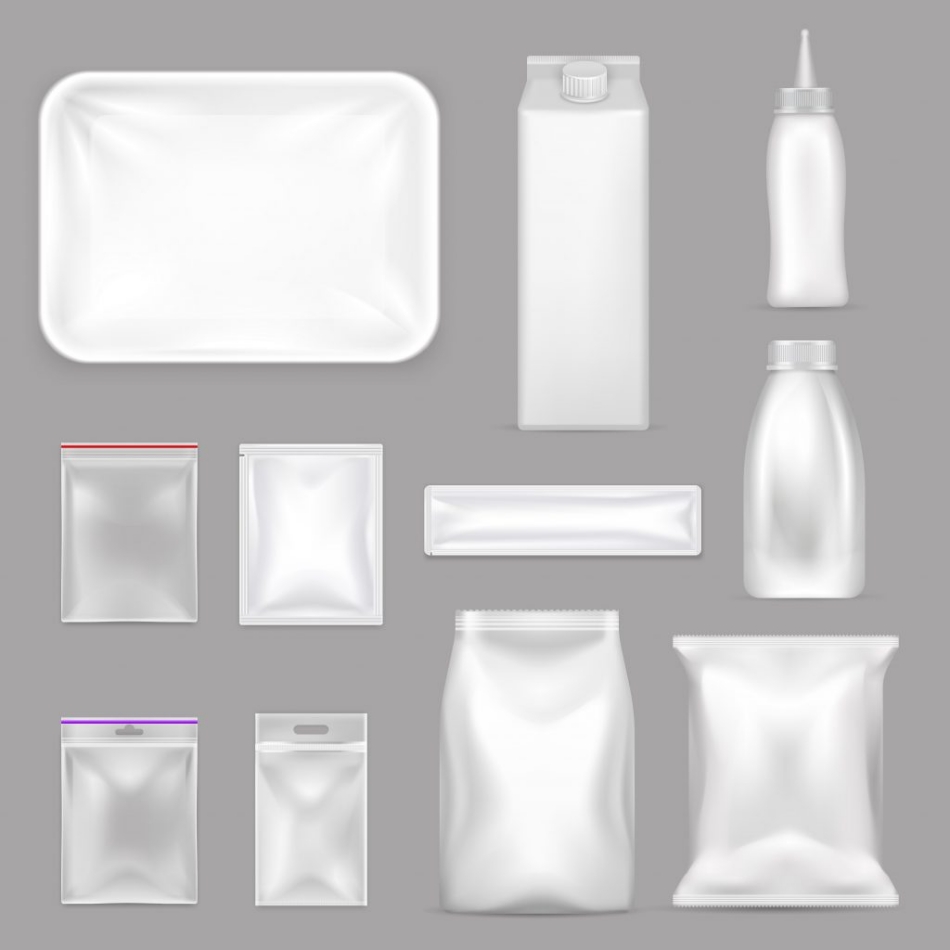 Only when being reused enough times, reusable products have lower environmental impacts For example, a paper bag is required to be reused at least seven times to offset the environmental impact of its production (such as natural resources, fossil fuel consumed during transportation,...). That seems to be impossible since not many paper bags would hold up that much.
The 3R well-known model: "Reduce, Reuse, Recycle" is one of the most popular solutions when it comes to environmental protection activities. Yet the fact that reducing and reusing are listed ahead of recycling is not highlighted. As a result, consumers often over-emphasize the importance of recycling packaging instead of reducing product consumption and reusing items to extend their lifetime.
It is fundamentally easier for consumers to recycle the packaging of a product than to voluntarily reduce their demand for that product. However, true to be told, the environmental benefits brought by recycling and composting tend to be small when compared with efforts to reduce overall consumption - Shelie Miller
In fact, reducing waste does not bring us as many benefits as we thought, thus compared to the amount of waste saved, In other words, environmental protection solutions should address the root of this problem, which means reducing waste and consumption, considering carefully the kinds and quantities of products.
In conclusion, though the use of plastic still comes at the cost of environmental impacts, its flexibility, convenience, and competitive price are undeniable. Therefore, instead of over-concentrating completely cutting the use of plastic, we should use them with mindfulness and careful consideration.
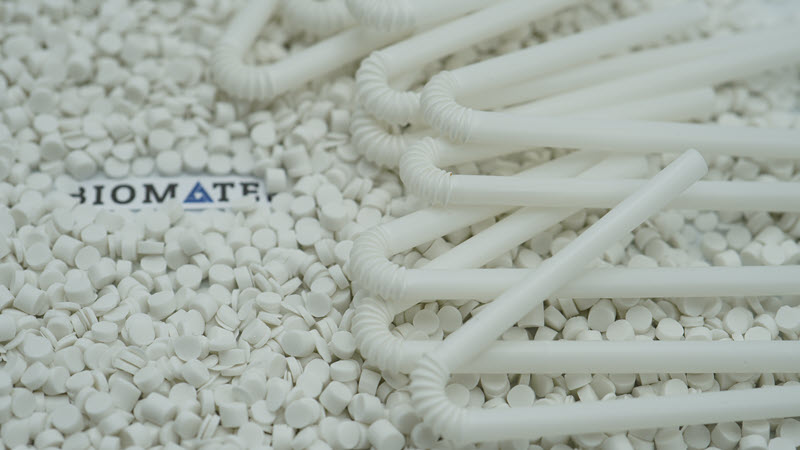
BiOMates is an achievement of EuP with an effort to bring customers new input materials which are more eco-friendly and sustainable. With the perfect combination of calcium carbonate (CaCO3) and bio-resin as a carrier, BiOMates act effectively and is easily biodegradable within several months after use.
The output of biodegradation processes includes carbon dioxide, water, and other matters,... Therefore, BiOMates is a wise choice for sustainable development in the plastic industry.
With the recommended utilization rate of 10 – 20% in total production materials, our BiOmates are often used for blown film for biodegradable/compostable shopping bags, rolling film, food bags, and industry bags.
Contact us now for further information about BiOMates here!