Recycled polypropylene plays a crucial role in reducing plastic waste and promoting sustainability. Understanding how polypropylene (PP) is recycled can help businesses and consumers make more eco-friendly choices. Let’s explore the recycling process, benefits, and challenges of recycled polypropylene.
1. What Is Recycled Polypropylene?
1.1. Definition of Recycled Polypropylene
Recycled polypropylene refers to polypropylene plastic that has been processed and reused instead of being discarded. It is commonly used in various industries, including packaging, automotive, and textiles.
1.2. Why Is It Important to Recycle Polypropylene?
PP is one of the most widely used plastics, but its disposal poses environmental risks. Recycling reduces plastic waste, conserves resources, and minimizes pollution.
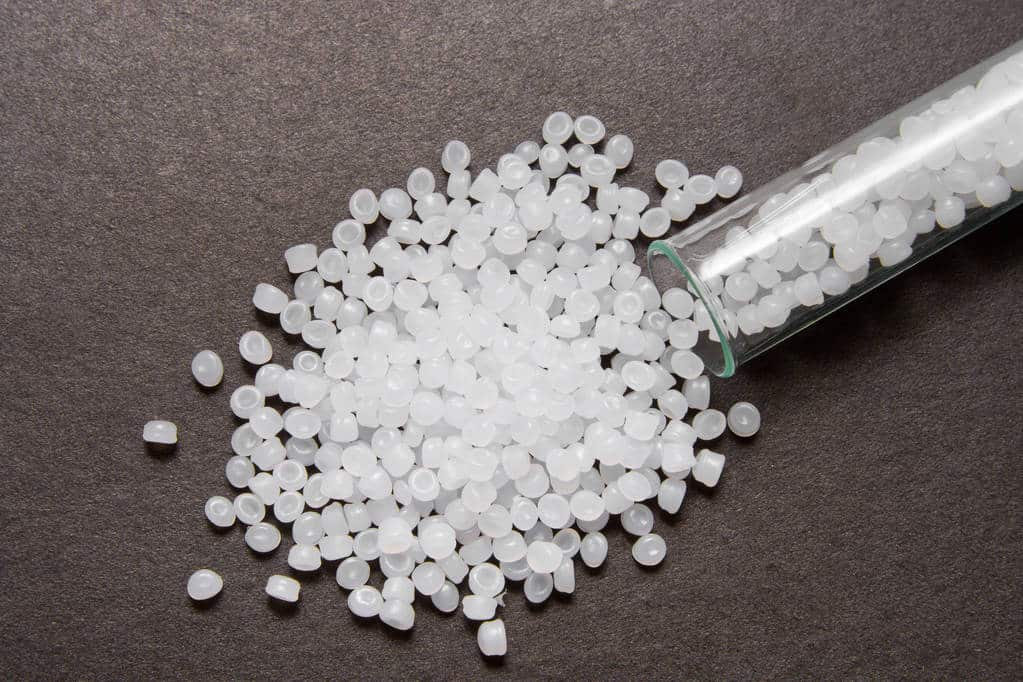
Recycled polypropylene refers to polypropylene plastic that has been processed and reused instead of being discarded.
2. The Process of Recycling Polypropylene
2.1. Collection and Sorting
Used PP products, such as packaging and containers, are collected from households and industries. These materials are sorted based on color, type, and contamination levels.
2.2. Cleaning and Shredding
The sorted plastics are cleaned to remove dirt, labels, and other contaminants. They are then shredded into small flakes for further processing.
2.3. Melting and Reprocessi
The shredded polypropylene is melted at high temperatures and reformed into pellets. These pellets serve as raw materials for manufacturing new plastic products.
2.4. Quality Testing and Manufacturing
Recycled PP undergoes quality testing to ensure it meets industry standards before being used in various applications, such as packaging, automotive parts, and household goods.
3. Benefits of Recycled Polypropylene
3.1. Environmental Benefits
Recycling PP reduces landfill waste, conserves fossil fuels, and lowers carbon emissions, contributing to a healthier planet.
3.2. Cost-Effectiveness
Recycled PP is often more affordable than virgin polypropylene, helping manufacturers reduce production costs while maintaining quality.
3.3. Energy Efficiency
Producing recycled polypropylene requires less energy compared to manufacturing virgin plastic, making it a sustainable alternative.
3.4. Versatility in Applications
Recycled PP is used in packaging, textiles, automotive components, and construction materials, showcasing its adaptability.
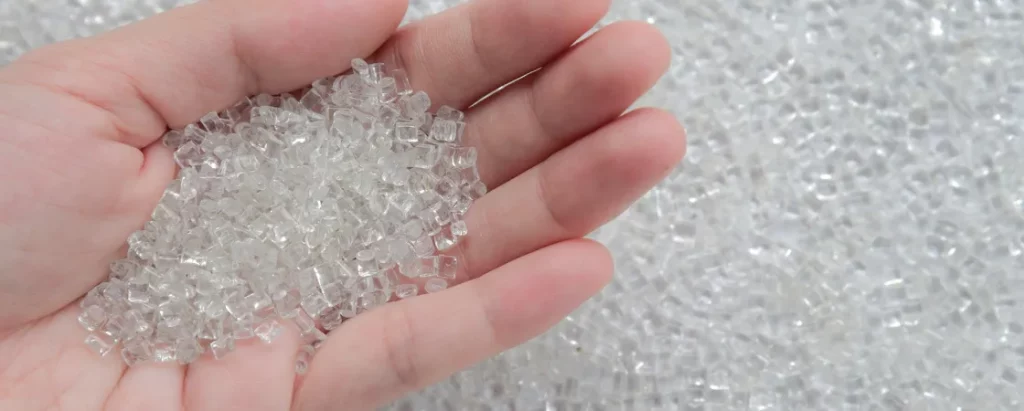
Recycled PP is used in packaging, textiles, automotive components, and construction materials, showcasing its adaptability.
4. Challenges in Recycling Polypropylene
4.1. Contamination Issues
PP recycling faces challenges with contamination from food residues, labels, and mixed plastics, which can affect the quality of recycled materials.
4.2. Limited Recycling Infrastructure
Many regions lack proper recycling facilities, making it difficult to recycle polypropylene efficiently.
4.3. Quality Degradation
Recycled PP may lose some mechanical properties after multiple recycling cycles, limiting its applications in high-performance products.
5. Innovations in Polypropylene Recycling
5.1. Advanced Sorting Technologies
New optical sorting systems and AI-driven techniques improve the accuracy of PP recycling, reducing contamination levels.
5.2. Chemical Recycling Methods
Unlike traditional mechanical recycling, chemical recycling breaks PP down to its molecular level, allowing for higher-quality recycled materials.
5.3. Biodegradable Polypropylene Alternatives
Research is ongoing to develop bio-based or biodegradable polypropylene alternatives to further enhance sustainability.
6. How Consumers Can Support Polypropylene Recycling
6.1. Proper Disposal Practices
Consumers should rinse and clean PP containers before recycling to prevent contamination and improve recycling efficiency.
6.2. Choosing Recyclable Packaging
Opting for products with recyclable PP packaging supports the recycling industry and reduces plastic waste.
6.3. Supporting Brands Using Recycled PP
Purchasing products made from recycled polypropylene encourages companies to invest in sustainable materials.
7. Conclusion
Recycled polypropylene is an essential solution for reducing plastic waste and promoting sustainability. By understanding the recycling process and supporting eco-friendly practices, businesses and consumers can contribute to a greener future. With ongoing innovations, the recycling of polypropylene will continue to improve, making it a more sustainable option for various industries.
8. About EuroPlas
As a trusted manufacturer of high-quality plastics, EuroPlas is dedicated to providing customers with premium PP products that enhance factory efficiency and boost market competitiveness.
Our range of PP products includes:
PP Filler Masterbatch
PP Glass Fiber Compound
PP Glass Bead Compound
PP Talc Compound
PP BaSO4 Compound
PP Conductive Compound
PP Flame Retardant Compound
Contact us for more assistance!