1. What is ABS material? Is ABS a thermoplastic?
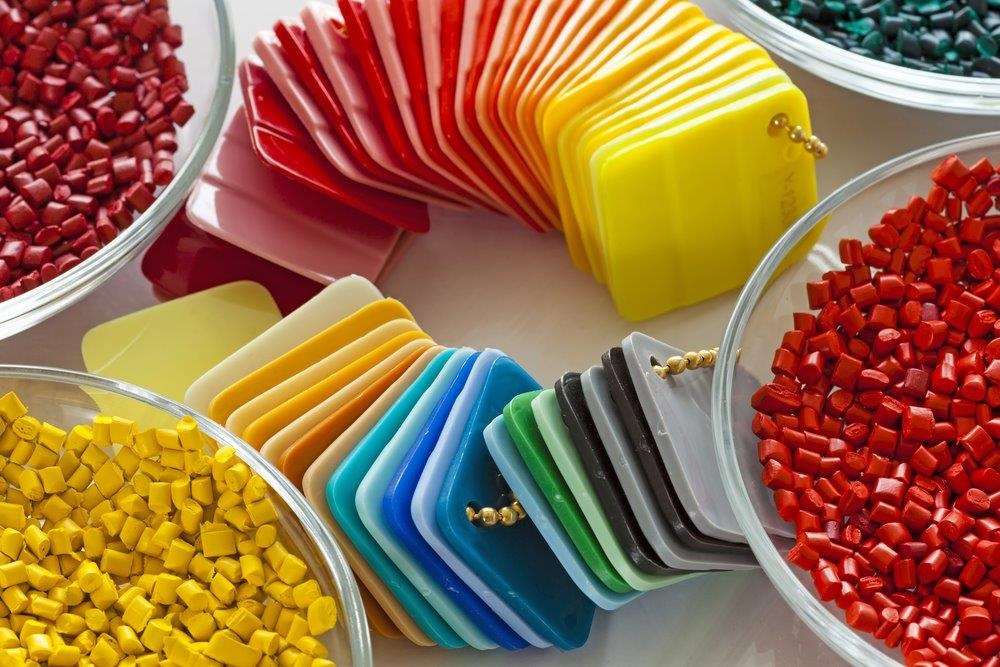
ABS Material
Source: Adreco Plastics
First and foremost, what is ABS material? ABS material is a copolymer consisting of three distinct monomers: acrylonitrile, butadiene, and styrene. This combination of polymers gives ABS a unique set of properties that make it highly desirable for various applications.
The acrylonitrile component contributes to the material's chemical and thermal resistance, while the butadiene component enhances its impact strength and toughness. Lastly, the styrene component imparts rigidity and processability to the ABS material.
ABS material is classified as a thermoplastic due to its ability to be repeatedly melted and solidified without significant degradation of its properties. This characteristic allows ABS materials to be easily molded and reshaped, making it highly versatile and suitable for a wide range of manufacturing processes. When heated, ABS softens and becomes pliable, enabling it to be molded into complex shapes. Once cooled, it solidifies and retains its new shape.
Read more: ABS vs HDPE - What are the differences?
2. ABS properties - Everything you need to know
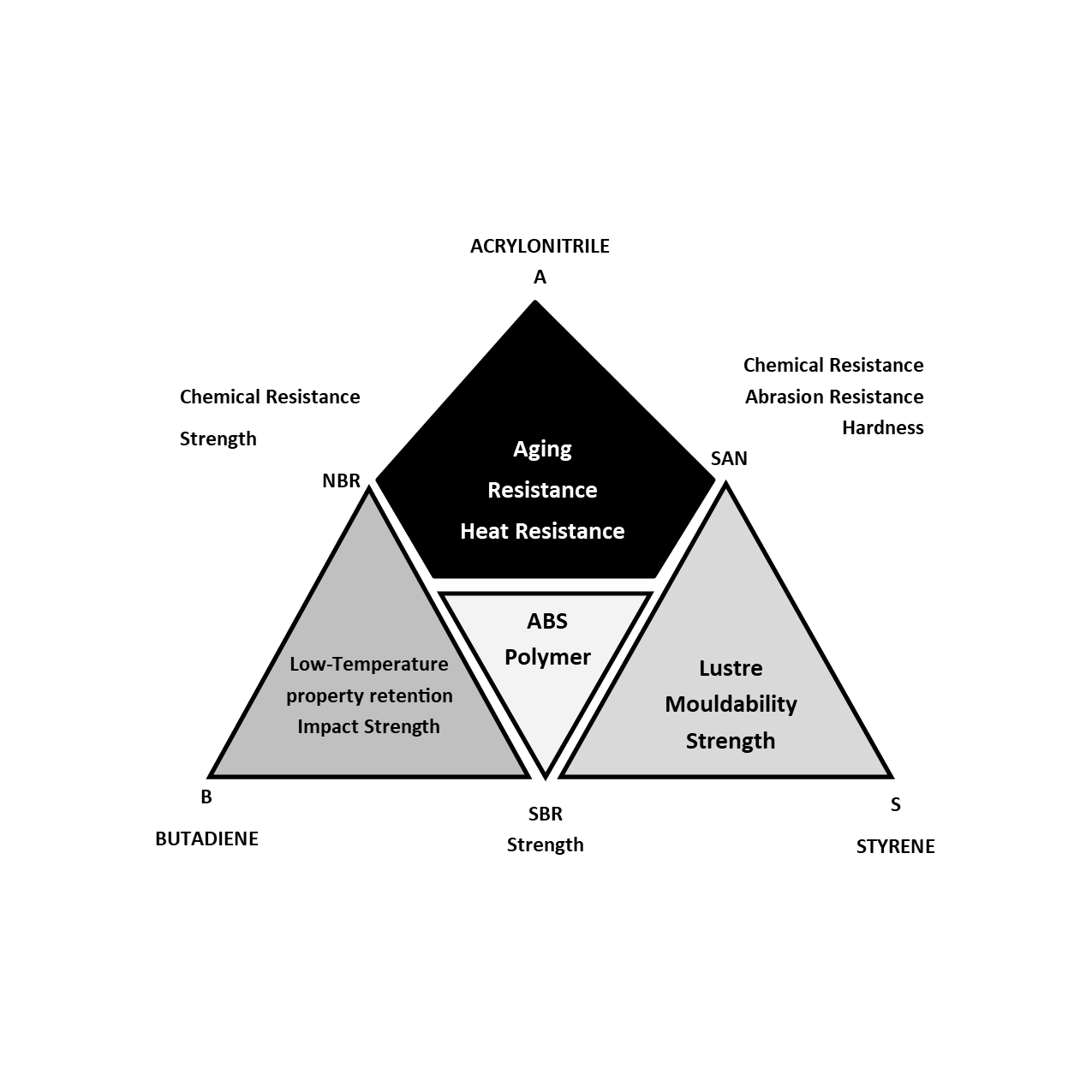
ABS Properties
Source: Textile Trendz
What’s ABS material’s selling point? ABS material possesses a lot of beneficial features that make it a popular choice in many productions. Below are some of the most outstanding ABS properties.
2.1. ABS tensile strength
ABS material exhibits impressive tensile strength, making it suitable for various applications. The tensile strength of ABS refers to its ability to withstand pulling forces without experiencing failure or permanent deformation. ABS tensile strength ranges from 30 to 60 megapascals (MPa), ensuring structural integrity and load-bearing capabilities.
This high tensile strength makes ABS an excellent choice for applications that require components to withstand mechanical stress and forces, such as automotive parts, structural components, and consumer goods. ABS's ability to withstand tension ensures the reliability and durability of the final products, providing peace of mind to manufacturers and end-users alike.
2.2. ABS uv resistance
ABS has moderate resistance to ultraviolet (UV) radiation, although it is not inherently UV stable. To enhance ABS UV resistance, specialized formulations or coatings with UV stabilizers can be used. This helps mitigate color fading and surface degradation when ABS is exposed to prolonged sunlight or outdoor conditions.
ABS materials with improved UV resistance are widely used in outdoor applications, such as automotive exterior parts, garden furniture, and outdoor signage. By incorporating UV-stabilized ABS or implementing suitable protective measures, manufacturers can ensure that ABS products maintain their aesthetics and mechanical properties over extended periods of exposure to UV radiation.
2.3. ABS modulus of elasticity
The modulus of elasticity, also known as Young's modulus, is a crucial mechanical property that measures a material's stiffness and its ability to deform under stress. ABS modulus of elasticity is relatively low compared to other engineering plastics, typically ranging between 1.9 and 2.5 gigapascals (GPa). This characteristic imparts flexibility and impact resistance to ABS, allowing it to absorb shocks and vibrations.
The lower modulus of elasticity also contributes to ABS's excellent resistance to cracking and fracturing under dynamic loads. ABS's favorable modulus of elasticity makes it an excellent choice for applications requiring toughness and resilience, such as protective cases for electronic devices, automotive interior components, and sporting goods. Manufacturers can rely on ABS mechanical properties to provide reliable performance in demanding environments where impact resistance is essential.
2.4. ABS chemical resistance
ABS materials demonstrate good resistance to a wide range of chemicals, including acids, alkalis, and various solvents. This property ensures that ABS components maintain their integrity and performance in environments where chemical exposure is expected.
ABS is commonly used in the automotive, electrical, and medical industries, where it encounters various chemicals and substances. ABS's chemical resistance enables it to withstand the corrosive effects of automotive fluids, cleaning agents, and medical disinfectants, among others. It is essential to consider the compatibility of ABS with specific chemicals, especially strong solvents, to ensure long-term durability.
Conducting compatibility tests and selecting appropriate formulations or additives can optimize ABS's chemical resistance for specific applications, allowing manufacturers to meet stringent requirements and regulations.
2.5. ABS shrink rate
During the cooling process after molding, ABS materials exhibit a relatively high shrinkage rate. Shrink rate refers to the percentage reduction in size that occurs as the molten ABS cools and solidifies. The ABS shrink rate usually ranges from 0.4% to 0.8%.
Manufacturers must account for this shrinkage during the design and manufacturing processes to ensure dimensional accuracy and prevent warping or distortion. Effective techniques such as mold design modifications, proper cooling strategies, and post-molding treatments can help minimize the effects of shrinkage in ABS parts, ensuring precise and consistent dimensions.
By carefully addressing the shrink rate, manufacturers can achieve high-quality ABS components that meet the required specifications for a wide range of applications, including injection-molded parts, enclosures, and consumer products.
3. Common applications of ABS materials
3.1. Automotive Industry:
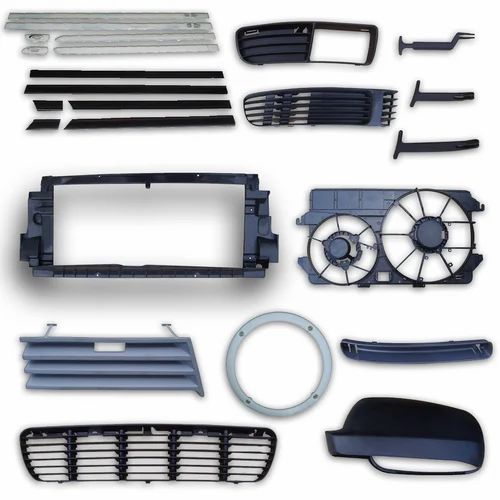
ABS Automotive Components
ABS is extensively used in the automotive industry for both interior and exterior components. Its excellent impact resistance, durability, and ease of processing make it suitable for applications such as dashboard panels, door trims, interior handles, and exterior body parts. ABS materials provide lightweight alternatives to metal components while maintaining structural integrity and aesthetic appeal. Additionally, ABS's chemical resistance to automotive fluids ensures its longevity in harsh environments. The use of ABS materials in the automotive sector contributes to improved fuel efficiency, reduced vehicle weight, and enhanced safety.
3.2. Consumer Goods:

ABS Consumer Goods
Source: Cosmo Sourcing
ABS is widely employed in the production of various consumer goods due to its desirable properties. It is commonly used for manufacturing household appliances, including vacuum cleaners, kitchen appliances, and home entertainment systems. ABS's toughness, impact resistance, and electrical insulation properties make it suitable for these applications. Its ability to be molded into complex shapes and its compatibility with various finishing techniques, such as painting and plating, enhance the aesthetics of consumer goods. ABS materials also find applications in toys, luggage, sporting goods, and electronic device cases, where their durability and dimensional stability are essential.
3.3. Electronics and Electrical Industry:
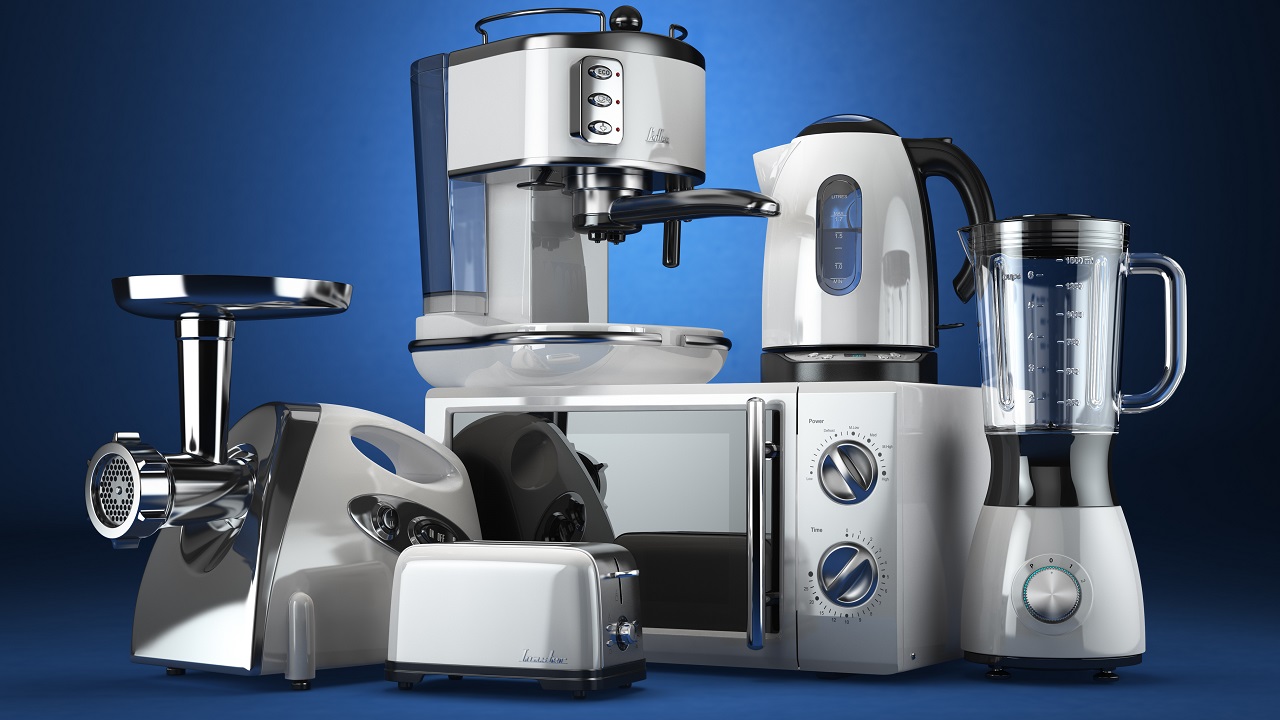
ABS Electronics
Source: Omnexus - SpecialChem
ABS materials are widely utilized in the electronics and electrical industry for their excellent electrical insulation properties. ABS resin is commonly employed in the production of computer and laptop housing, computer peripherals, audio equipment, and home appliances. The inherent flame retardancy of ABS makes it a suitable choice for electronic enclosures, ensuring safety and compliance with industry standards. Its impact resistance and dimensional stability also contribute to the protection of delicate electronic components. ABS materials play a vital role in providing durable and aesthetically pleasing casings for a wide range of electronic devices.
3.4. Medical and Healthcare:
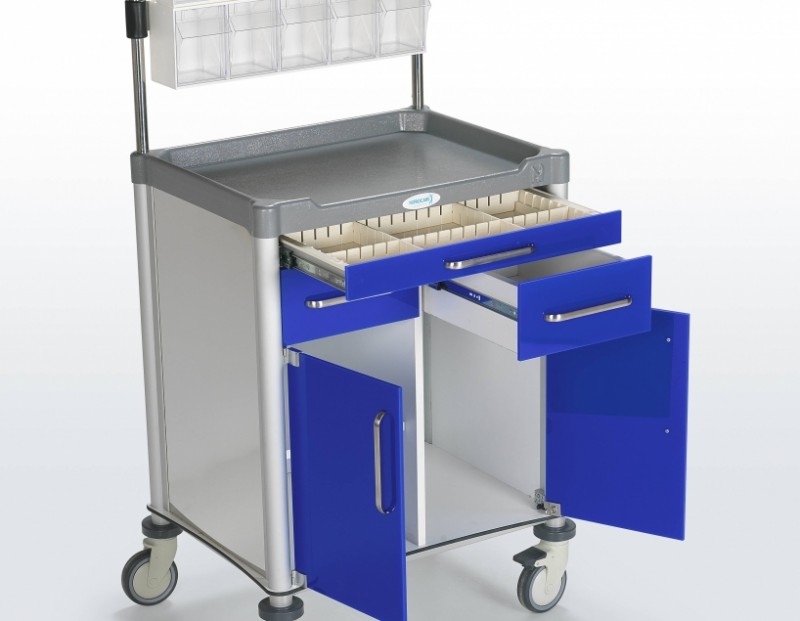
ABS Medical Goods
ABS materials are increasingly used in the medical and healthcare sectors. Their biocompatibility, ease of sterilization, and resistance to chemicals make them suitable for applications such as medical equipment housings, handles, and trays. ABS's dimensional stability and durability ensure that medical devices withstand repeated sterilization processes without compromising their performance. The ability to incorporate antimicrobial additives further enhances the hygiene properties of ABS materials in medical environments. From hospital equipment to dental instruments and prosthetics, ABS materials contribute to the safety, functionality, and longevity of medical devices.
3.5. Industrial and Manufacturing:
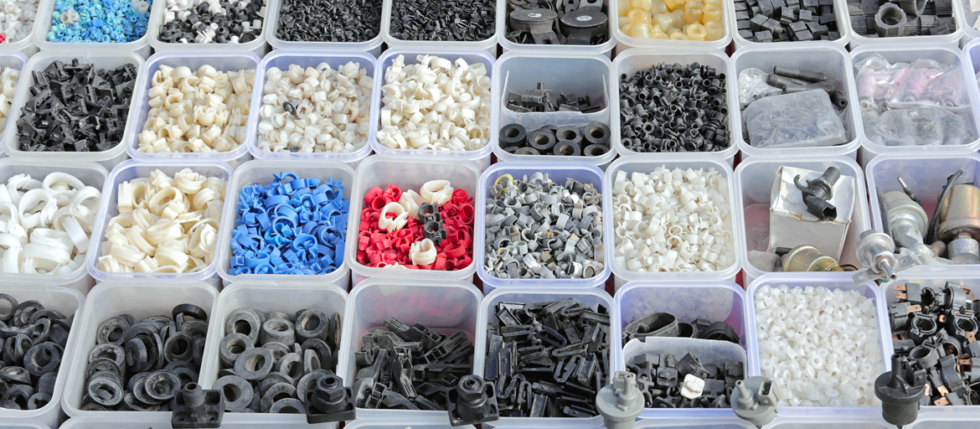
ABS Machinery Components
Source: Plastic Extrusion Technologies
ABS materials find numerous applications in the industrial and manufacturing sectors. They are commonly used in the production of protective equipment, tool handles, machinery components, and housings for industrial machinery. ABS's excellent mechanical properties, including impact resistance and dimensional stability, make it suitable for demanding industrial environments. Its resistance to various chemicals and ease of fabrication through processes such as injection molding and extrusion make ABS materials a preferred choice for a wide range of industrial applications.
Read more: What is ABS PC material? Properties and common applications
4. ABS materials of EuroPlas
EUROPLAS is the plastic materials brand of European Plastic Joint Stock Company (EuP), one of the world’s leading filler masterbatch manufacturers. With 19 years of experience, EuP operates a network of seven manufacturing plants in Vietnam and Egypt, with a total production capacity of approximately 0.9 million tons per year and exports to more than 95 countries worldwide. In addition to filler masterbatch as its core product line, EuP offers a diversified portfolio of material solutions, including color masterbatch, additive masterbatch, engineering plastic compounds, bioplastic compounds, and bio fillers for a wide range of plastic manufacturing applications.
EUROPLAS specializes in the production of high-quality ABS plastic engineering compounds. Our ABS compounds are engineered to meet the specific requirements of different industries, providing outstanding mechanical properties and versatility. With a focus on quality, we ensure that our ABS compounds are produced using advanced manufacturing techniques and rigorous quality control processes. This guarantees consistent performance and reliability in various applications.
Our team of experts combines their extensive knowledge in polymer science and compounding technology to create ABS compounds that exhibit enhanced characteristics such as strength, impact resistance, and flame retardancy. Whether you need ABS compounds for automotive parts, electronics, or consumer goods, we can customize the material properties to suit your project needs.
Contact EuroPlas today to discuss your ABS material needs and discover how our premium ABS solutions can enhance your products. Our team of experts is ready to assist you in selecting the right ABS materials and providing the technical support you require. Visit our website or reach out to us via phone or email to start a conversation. We look forward to collaborating with you to deliver high-quality ABS materials that elevate your products to new levels of performance.
Read more information here!