As industries pursue greener materials, biobased polyamide has quickly risen to the forefront. Offering excellent mechanical properties, reduced carbon footprints, and broad application potential, biobased polyamide is redefining the future of engineering plastics. This article explores what it is, how it's produced, its advantages, and why it’s becoming a transformative material across global industries.
1. What Is Biobased Polyamide?
1.1. Definition and Key Characteristics
Biobased polyamide is a class of nylon polymers derived, at least in part, from renewable biomass feedstocks rather than solely from fossil-based petrochemicals. These materials maintain the core chemical structure of conventional polyamides (nylons) but draw carbon from sources like plants, oils, or residues. Key characteristics of biobased polyamide include:
- High tensile strength and durability, comparable to traditional nylons
- Excellent thermal resistance and chemical stability
- Lightweight yet tough structure suitable for engineering applications
- Renewably-derived carbon source, offering sustainability credentials
These attributes mean that material engineers and product designers can specify biobased polyamide for technical parts while advancing sustainability goals.
Read more: Top polyamide manufacturers in 2025 you should know
1.2. How Biobased Polyamide Differs from Fossil-Based Polyamide
While conventional polyamides such as PA6 or PA66 are made from petrochemical feedstocks (for example caprolactam for PA6, or adipic acid and hexamethylenediamine for PA66), biobased polyamides replace a portion of the carbon input with biomass. The result is a polymer with very similar performance but a significantly reduced dependence on fossil resources. According to industry data, the global bio-polyamide market was valued at USD 258.07 million in 2024 and is expected to grow at a compound annual growth rate (CAGR) of 20.5% from 2025 to 2030.
For example, the switch to biobased feedstocks can lead to meaningful reductions in greenhouse-gas emissions and fossil energy use - a major driver for adoption across automotive, textiles and consumer-goods markets.
1.3. Common Grades: PA410, PA610, PA1010, PA11, PA12
Several biobased polyamide grades are commercially available or under development, including:
- PA410 and PA610 - nylons combining castor-oil or other biobased monomers with conventional units
- PA1010 - a fully biobased nylon derived from sebacic acid and decamethylenediamine from biomass
- PA11 and PA12 - while often partly biobased (e.g., from castor oil), these have long been used in engineering and sports applications
These grades offer designers flexibility in choosing the balance of performance, cost and renewability. Because the structure remains similar to conventional nylons, the transition is smoother for manufacturers.
2. How Biobased Polyamide Is Made
2.1. Sustainable Biomass Feedstocks
Biobased polyamide starts with renewable raw materials. Common feedstocks include:
- Castor oil (used for PA11)
- Sugarcane-derived monomers
- Agricultural residues or plant oils (e.g., palm kernel oil)
These biomass sources replace or reduce the conventional petro-carbon fraction, helping reduce dependence on fossil inputs and supporting circularity strategies.
2.2. Overview of the Production Process
The production process for biobased polyamide typically follows these steps:
- Feedstock extraction – biomass is converted into monomer building blocks
- Polymerization – monomers are polymerized into polyamide chains
- Compounding and additives – the base polymer is compounded with fillers, additives or reinforcement to meet target performance
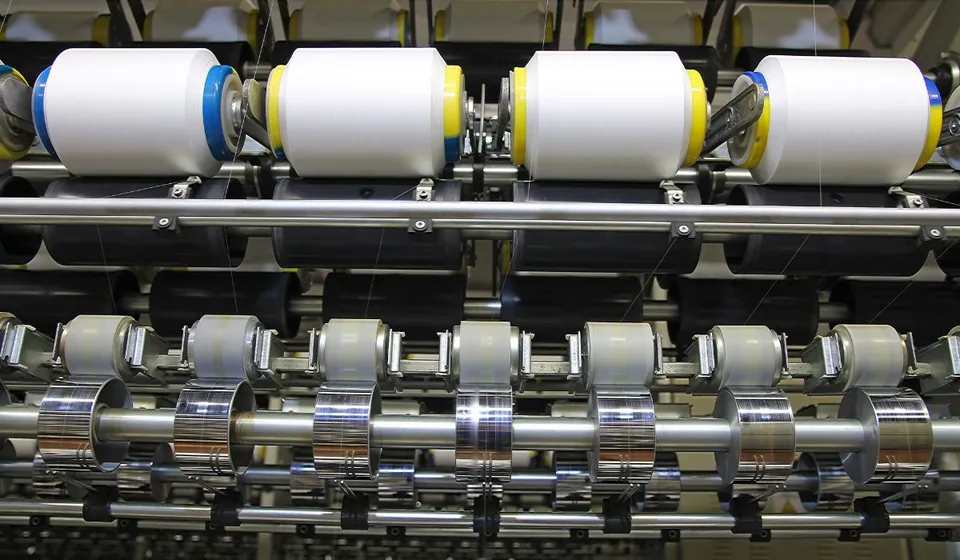
- Product fabrication – extrusion, injection moulding, film forming or fibre spinning
Because the polymer backbone remains familiar to engineers who work with nylon, manufacturing transitions are less disruptive than switching to wholly new materials.
2.3. Environmental Footprint Comparison
One of the strongest selling points of biobased polyamide is the potential to cut the environmental footprint. For instance, one market report estimates the global bio-polyamide market will grow from USD 258 million in 2024 to USD 304 million in 2025, at a CAGR of ~20.5%.
While this is market data rather than a full life-cycle assessment (LCA), it signals strong interest in this low-carbon material. More detailed LCA studies indicate that shifting to renewable monomers reduces fossil-energy use and CO₂ emissions by a substantial margin, particularly in high-volume uses such as automotive and industrial parts.
2.4. Certifications and Sustainability Standards
To validate biobased claims and support corporate goals, manufacturers use sustainability certifications including:
- ISCC+ (International Sustainability & Carbon Certification)
- USDA BioPreferred
- TÜV OK Biobased label
These certification systems verify the proportion of renewably-sourced carbon in the polymer, enabling downstream brands to communicate sustainability credentials to customers and regulators.
3. Properties and Performance of Biobased Polyamide
3.1. Mechanical and Thermal Properties
Biobased polyamide offers mechanical and thermal performance very similar to traditional nylons. Key properties include:
- High tensile strength and impact resistance
- Good wear and abrasion resistance
- Excellent dimensional stability in high-temperature environments
In many cases, performance loss compared to fossil-based nylon is negligible when processing and additives are optimised.
3.2. Chemical Resistance and Durability
In addition to mechanical strength, biobased polyamides display strong chemical-resistance profiles, maintaining durability in demanding conditions such as automotive under-hood environments, electronic housings and industrial parts. Because the backbone of the polymer remains the same, the long-established resistance behaviour of nylon (versus many other plastics) is retained.
3.3. Comparison Table: Biobased PA vs. Conventional PA6/PA66
| Property |
Conventional PA6/PA66 |
Biobased Polyamide* |
| Tensile strength |
High (baseline) |
Comparable (±5-10%) |
| Heat resistance (°C) |
Up to ~180-220 °C |
Similar range |
| Dependence on fossil feedstocks |
100% fossil |
Partially or fully renewable |
| Carbon-footprint impact |
Higher |
Lower (depending on feedstock) |
| Certification availability |
Mature supply chain |
Emerging, growing |
* Actual performance depends on grade, compounding and reinforcement strategy.
3.4. Role of Additives & Reinforcement Technologies
To ensure biobased polyamide meets demanding physical applications, manufacturers frequently use reinforcement and performance-enhancing additives:
- Glass-fibre or mineral fillers increase stiffness and dimensional stability
- Impact modifiers and toughening agents restore any performance loss from biocarbon fraction
- Heat/UV stabilisers protect the material in high-temperature or outdoor environments
- Compatibilisers and chain-extenders optimise melt-flow and mechanical resilience
With these additives, biobased polyamide compounds can match or in many cases exceed the performance of standard nylon formulations while offering a lower environmental footprint.
4. Applications of Biobased Polyamide in 2025
Biobased polyamide has moved far beyond niche applications and is now being used across multiple high-performance sectors. Its combination of strength, heat resistance, and reduced carbon footprint is especially appealing to industries facing strict environmental regulations and increasing pressure to switch to sustainable materials.
4.1. Automotive and E-Mobility
As automakers race to meet global CO₂ reduction targets and accelerate the shift toward electric mobility, lightweight and eco-friendly materials are becoming essential. According to a report, the market size of biobased polyamide for automotive industry in 2025 is estimated at $250 million, projecting a Compound Annual Growth Rate (CAGR) of 12% from 2025 to 2033, therefore signifying the automotive sector is one of the most dynamic adopters of biobased polyamide.
Biobased polyamide is now used in components such as:
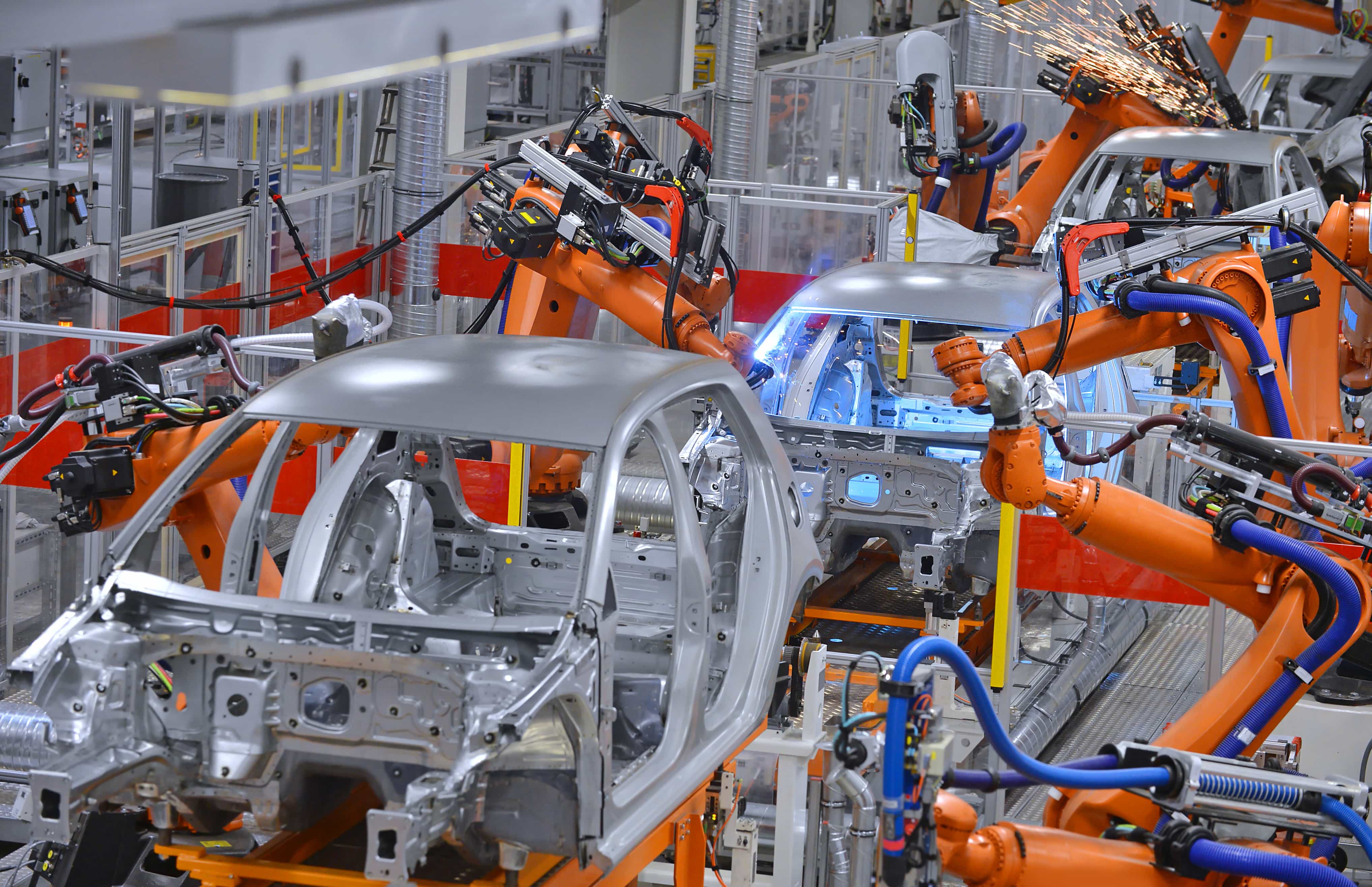
- Cable ties and connectors for electric vehicles (EVs)
- Fuel lines, coolant hoses, and under-the-hood parts
- Interior components requiring chemical resistance and dimensional stability
Because biobased PA grades like PA410 and PA610 offer excellent thermal performance and reduced moisture absorption, they help improve long-term reliability in EV platforms while reducing overall material emissions-a win-win for both sustainability and engineering performance.
4.2. Electrical and Electronics
In electrical applications, biobased polyamide is valued for its dielectric strength, heat resistance, and stability under prolonged stress. Manufacturers increasingly use it for:
- Switch housings
- Plugs and connectors
- Smart-home device casings
- Miniaturized components with precise tolerances
With many electronics manufacturers committing to carbon-neutral product lines, the integration of biobased polyamide helps them achieve lower material footprints without sacrificing functionality or safety.
4.3. Textiles, Apparel & Sportswear
One of the fastest-growing consumer markets for biobased polyamide is the fashion and performance textile industry. Biobased polyamide fibers offer:
- Exceptional elasticity
- Quick-drying performance
- High resistance to abrasion and UV
- A soft, premium hand-feel
Sportswear, swimwear, and outdoor gear increasingly incorporate these fibers because they combine comfort, high performance, and sustainability-a set of attributes highly valued by today’s consumers.

4.4. Industrial & Consumer Goods
In industrial environments, biobased polyamide shines wherever precision, strength, and temperature performance are required. Examples include:
- Mechanical gears
- Bearings and bushings
- Industrial housings
- Hand tools and precision components
Consumer goods manufacturers use biobased PA for eyewear frames, phone cases, zip sliders, and home appliance parts-helping brands offer sustainable alternatives without compromising quality.
4.5. 3D Printing & Advanced Manufacturing
Biobased polyamide filaments and powders are gaining popularity in 3D printing due to their:
- High strength-to-weight ratio
- Flexibility and toughness
- Smooth surface finish
- Compatibility with both FDM and SLS printing systems
Manufacturers and engineers can now produce functional prototypes or lightweight end-use parts with reduced environmental impact.
5. Environmental and Economic Benefits
While performance is important, the rise of biobased polyamide is strongly driven by its environmental and economic advantages-especially as global industries move toward circular production models.
5.1. Lower CO₂ Footprint
Biobased polyamide significantly reduces greenhouse gas emissions compared with conventional nylon produced entirely from fossil resources. This benefit is tied primarily to the renewable origin of the carbon atoms in the polymer chain.
Because biomass absorbs CO₂ during growth, part of the polymer’s embodied carbon becomes “biogenic,” lowering the net emissions across the supply chain. This makes biobased PA a strategic material for companies aiming to meet carbon-neutrality commitments.
5.2. Reduced Dependency on Fossil Raw Materials
With geopolitical instability and resource volatility affecting oil-derived materials, biobased polymers help de-risk supply chains. By diversifying feedstock sources toward castor oil, sugarcane, or agricultural residues, manufacturers reduce exposure to crude-oil price fluctuations.
In the long run, this expands supply security while supporting farmers and agricultural circularity initiatives in producing regions.
5.3. Better Recyclability and Circularity
While biobased polyamide is chemically similar to its fossil-derived counterpart, its renewable carbon origin improves overall circularity metrics. It can be:
- Recycled mechanically
- Recycled chemically (depolymerized into monomers)
- Integrated into circular design systems
In industries like electronics and automotive-where end-of-life recovery is becoming increasingly regulated-using materials aligned with circular principles offers a clear advantage.

5.4. Long-Term Cost & Supply Chain Stability
Although some biobased grades currently cost more than fossil-based nylons, long-term economic benefits include:
- More stable biomass pricing versus petro-chemical volatility
- Reduced carbon penalties and regulatory fees
- Lower long-term environmental compliance costs
- Stronger ESG positioning
For global manufacturers, using biobased polyamide becomes both a sustainability decision and a strategic business decision.
5.5. Growing Adoption from Global Brands
Leading brands in sectors such as electronics, automotive, fashion, and consumer goods are announcing commitments to use more sustainable materials-creating strong downstream demand.
Products featuring biobased materials often carry enhanced labeling such as ISCC+ or USDA BioPreferred, which resonate strongly with consumers seeking transparency and low-impact products.
As sustainability shifts from optional to mandatory, materials like biobased polyamide will shape the next generation of eco-engineered products.
6. Conclusion
Biobased polyamide is no longer an experimental alternative-it has become one of the most promising materials for the future of engineering plastics. It combines:
- Strong mechanical performance
- High thermal and chemical resistance
- Reduced carbon footprint
- Scalability across major industries
As global industries transition toward low-carbon manufacturing and circular material flows, biobased polyamide offers a path that aligns performance with sustainability. It empowers manufacturers to meet regulatory demands, satisfy consumer expectations, and prepare for a greener future without sacrificing quality or efficiency.
For businesses looking to stay competitive in the next decade, transitioning to biobased polyamide is not just an opportunity-it is a strategic advantage.
7. About EUROPLAS
EUROPLAS is one of the world’s leading masterbatch and compound manufacturers, delivering innovative polymer solutions that empower global manufacturers to build stronger, more efficient, and more sustainable products. With a presence in over 95 countries, EUROPLAS is committed to pushing the plastics industry forward through technology, quality, and environmentally responsible production.
EUROPLAS now offers a growing portfolio of polyamide compounds, engineered to provide both outstanding performance and measurable environmental benefits. Our solutions include:
By combining advanced compounding technology with renewable feedstocks, EUROPLAS helps global manufacturers accelerate their transition toward sustainable materials-without compromising strength, stability, or long-term performance.
Contact us for more information!