Every year, the world consumes hundreds of millions of tons of plastic, a significant portion of which is used to make packaging that comes into direct contact with food. Against this backdrop, filler masterbatch- an increasingly popular plastic additive in the manufacturing industry- raises a question that is far from simple: can filler masterbatch be used for food products? The answer is neither an absolute "yes" nor an absolute "no." It depends on a wide range of technical factors, certification standards, and the specific characteristics of each product. This article provides a comprehensive analysis to give both plastic industry professionals and general readers the most accurate and complete understanding of the issue.
1. What is filler masterbatch? Key overview
1.1. Definition and composition of filler masterbatch
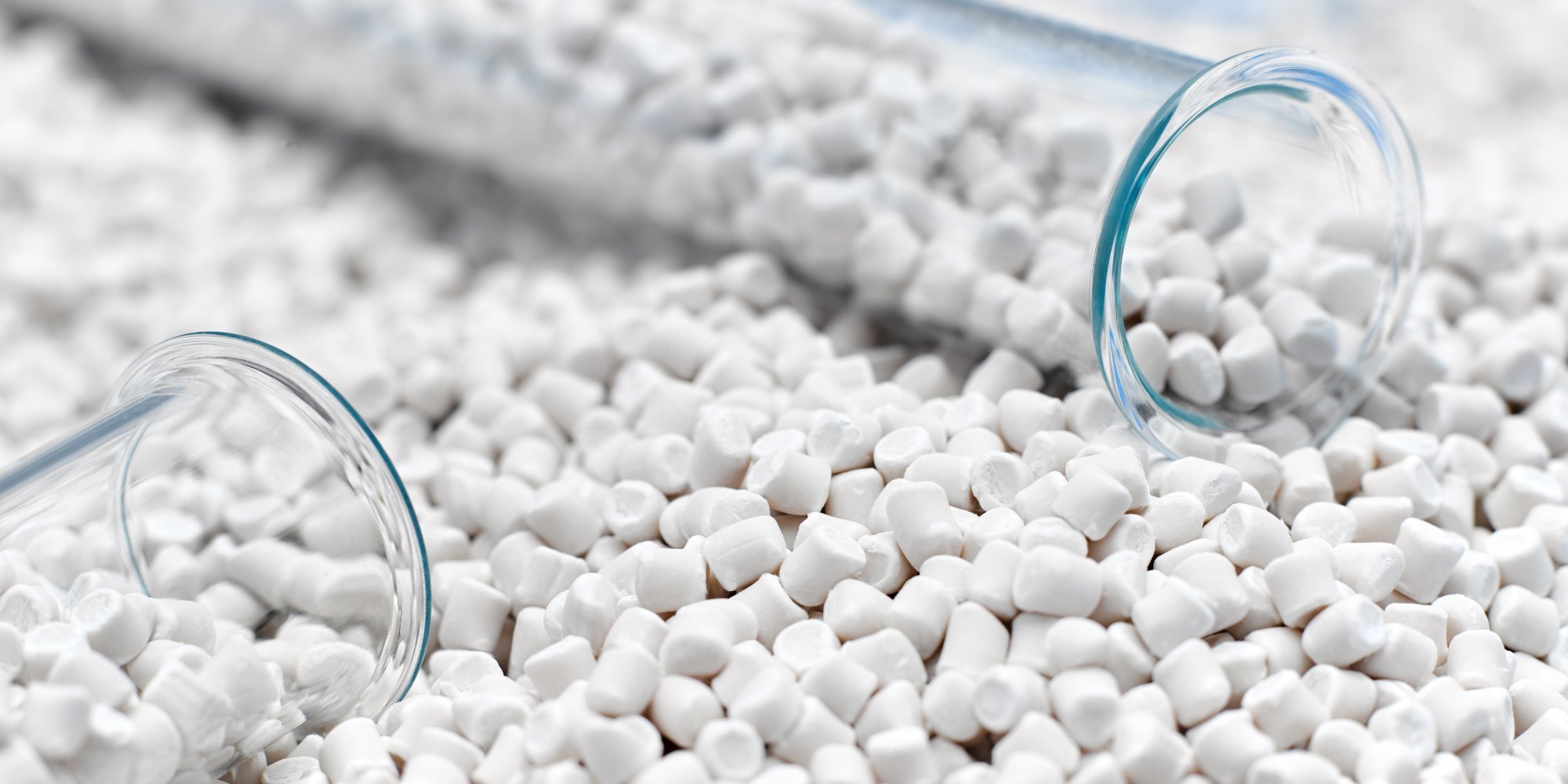
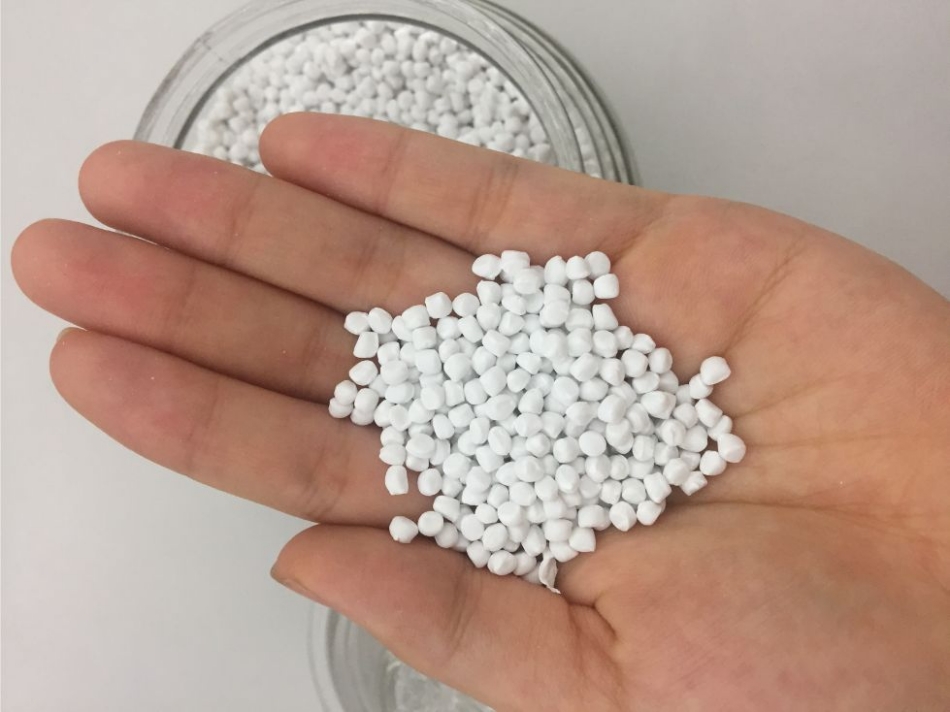
Filler masterbatch- also known as taical- is a type of concentrated plastic pellet produced by dispersing a high content of inorganic filler into a thermoplastic resin base. It is blended into virgin plastic during processing to reduce raw material costs, improve certain physical properties, and increase production efficiency. Using filler masterbatch in film blowing makes the film stiffer, thermally stable, increases opacity, and most importantly, reduces production costs.
Read more: What is filler masterbatch and how it is applied to your production?
A typical filler masterbatch pellet consists of three main components. First, inorganic filler, which accounts for the largest proportion- typically 60-80% by weight- most commonly calcium carbonate (CaCO3) in ground or precipitated form, with barium sulfate (BaSO4), talc, and kaolin used for specific applications. Second, carrier resin, usually polyethylene (PE) or polypropylene (PP), which serves to evenly disperse the filler into the plastic blend during processing. Third, surface treatment additives such as stearic acid, lubricants, and compatibilizers, which help CaCO3 adhere well to the resin base.
The critical point from a food safety perspective is this: while CaCO3 and PE/PP are inherently non-toxic materials, the surface treatment additive group is what ultimately determines whether a filler masterbatch qualifies for food contact use. A common mistake in production practice is that processors only check the quality of the CaCO3 input while overlooking the verification of the entire formulation- a hidden gap that can compromise the safety of the final product.
1.2. Filler masterbatch production process
Understanding the production process helps users assess product quality and safety more accurately. Filler masterbatch is essentially produced in four stages: dry mixing of raw materials; melting and compounding in a screw extruder at temperatures of 160-250°C depending on the carrier resin type; strand extrusion and water bath cooling; and finally pelletizing and sieving. According to Nhựa MMA, the processing temperature for PP filler masterbatch ranges from 160-250°C, making it compatible with most injection molding, extrusion, fiber drawing, and weaving equipment.
Temperature control during the extrusion stage is critical: if the temperature is too low, CaCO3 disperses poorly and creates stress concentration points in the product; if too high, the additives may decompose and generate unwanted compounds- particularly dangerous in food contact applications.
1.3. Common types of filler masterbatch today
The filler masterbatch market currently offers a wide range of product lines. CaCO3 masterbatch is the most common type, widely used in plastic films, shopping bags, and industrial packaging, and also the type with the greatest potential for food applications when properly certified. BaSO4 masterbatch offers higher whiteness and mechanical strength, typically used in premium packaging. Transparent filler masterbatch, which contains NaSO4 and BaSO4, significantly enhances the clarity of many products including sheets, bags, and films- making it highly suitable for food packaging where the contents need to be visible, such as food wrap film and fresh produce containers. Additionally, bio filler masterbatch is a next-generation product in which part of the filler is replaced by bio-based materials such as corn starch or sugarcane- attracting significant attention as the packaging industry moves toward greater sustainability.
2. Is filler masterbatch safe for food products?
2.1. Direct answer: Yes- but subject to conditions
Filler masterbatch CAN be used for food products, but only when three conditions are simultaneously met: (1) it is produced from food-grade raw materials, (2) it holds certification from a competent authority such as the FDA or EU, and (3) it is used at the blending ratio recommended by the manufacturer.
In other words, the term "filler masterbatch" does not inherently mean "safe" or "unsafe" for food use- this entirely depends on the technical specifications of each specific product. Industry experience shows that some packaging manufacturers purchase cheap, unverified filler masterbatch and use it directly for food bags without requesting safety certifications- a common cause of product recalls or failed export inspections.
⚠️ Important note: Industrial filler masterbatch used in heavy industry applications (sewer pipes, construction materials, furniture, etc.) must never be substituted for food-grade filler masterbatch, even if the ingredients appear similar on the surface.
2.2. The role of CaCO3 filler in food safety
Calcium carbonate (CaCO3) is a mineral found naturally in limestone, seashells, and coral reefs, and is itself non-toxic- it is even widely used in pharmaceuticals (calcium supplements) and food (additive E170). However, CaCO3 used in filler masterbatch and CaCO3 used in food and pharmaceutical applications differ significantly in terms of purity and surface treatment:
| Criterion |
Food/pharmaceutical-grade CaCO₃ |
Industrial-grade CaCO₃ |
| Purity |
≥ 98–99% |
90–95% |
| Heavy metal control |
As, Pb, Hg < 1 ppm (mandatory) |
Not required |
| Surface coating agent |
Food-grade stearic acid |
May use mineral oil or industrial chemicals |
| Required certifications |
FDA, EP, USP |
Not mandatory |
3. Applications of filler masterbatch in the food industry
3.1. Food packaging- the most common application
Food packaging is the broadest and most direct application of filler masterbatch. In the production of plastic bags and food packaging, CaCO3 filler significantly reduces costs while maintaining the necessary clarity and durability- a blending ratio of 15-25% is considered optimal for most food packaging applications, according to Asia Plastic.
Transparent filler masterbatch is particularly popular for products such as food wrap film, fresh produce bags, and snack boxes, as it both reduces the amount of virgin plastic used and ensures consumers can directly view the product inside- an important factor in food marketing and retail. In addition, EuroPlas' PE filler masterbatch is directly applied in multi-layer film production for food packaging.
3.2. Pipes and tubing in the food and pharmaceutical industries
Filler masterbatch is also used in the production of plastic piping systems for the food and pharmaceutical industries, where materials must meet both high mechanical performance requirements and chemical inertness. In this context, filler masterbatch improves the rigidity, pressure resistance, and thermal stability of pipes, ensuring long-term operational reliability in food transport systems. A mandatory requirement is that filler masterbatch used in this application must comply with the applicable hygiene standards under FDA or EU regulations for each specific type of food product.
3.3. Single-use plastic utensils in food contact
Plastic cups, food containers, and single-use cutlery are common consumer products that incorporate filler masterbatch. CaCO3 filler masterbatch is applied in blow molding to produce items with consistent shapes and sufficient durability for applications such as water bottles and cooking oil bottles. The key requirement here is that the filler masterbatch must not affect the taste or nutritional quality of the food, even when in contact at elevated temperatures - for example, in containers used for hot food.
4. Cases where filler masterbatch should NOT be used for food products
4.1. Filler masterbatch without food safety certification
Standard industrial filler masterbatch- designed for applications such as drainage pipes, construction materials, or furniture- is not permitted for use in food packaging or food contact utensils. The reason is that these formulations typically contain industrial additives (lubricants, heat stabilizers, colorants, etc.) that have not been assessed for their potential to migrate into food. Masterbatch intended for food packaging must comply with strict migration regulations, be free of hazardous substances, and be certified by reputable international bodies.
4.2. Incompatible carrier resin
Choosing the wrong carrier resin when compounding filler masterbatch is a risk that is often overlooked. PVC has long been strictly restricted in food packaging within the EU due to concerns over vinyl chloride monomer (VCM)- a compound classified as a Group 1 carcinogen by the IARC. In contrast, PE and PP are considered the safest carrier resins for food packaging due to their stable molecular structure and low migration potential. Using an incompatible carrier resin with filler masterbatch not only causes the product to fail regulatory standards but can also pose direct health risks to consumers.
4.3. Excessively high filler content
The filler masterbatch blending ratio directly affects both the mechanical performance and safety of the final product. According to Nhựa MMA, the common usage ratio of filler masterbatch ranges from 10-40% depending on the product type and machinery, and careful control of this ratio helps avoid brittleness, cracking, or compromised heat-sealing of bag edges. For food packaging, the optimal ratio is generally kept at 15-25%. Exceeding this level makes packaging brittle and prone to tearing, potentially compromising its ability to isolate and protect food from external contaminants- directly defeating the product's intended purpose.
⚠️ Disclaimer: The information in this article is for technical reference purposes only. Decisions regarding the use of filler masterbatch in food contact products must be based on actual test results for each specific product, conducted by a competent testing authority- not solely on information provided by the supplier.
5. About EuroPlas - a trusted filler masterbatch supplier
If you are looking for a reliable source of filler masterbatch for food packaging applications, EuroPlas is the right choice. With 18 years of industry experience, EuroPlas is one of the world's leading filler masterbatch manufacturers, with products available in more than 95 countries globally.
EuroPlas offers a wide range of filler masterbatch products for the food packaging industry, from PE filler masterbatch for multi-layer films and food bags, to PP filler masterbatch for food containers and plastic utensils. Notably, EuroPlas' BiONext product line is applied in blowing food wrap film, forming food containers, and producing biodegradable single-use tableware such as bowls, chopsticks, cups, and cutlery. This is a pioneering direction that meets the growing trend toward sustainable food packaging being strongly driven by new EU regulations and increasing global consumer demand.
With deep R&D capabilities, a network of 7 manufacturing facilities across Vietnam and Egypt, and the ability to customize products to each customer's requirements, EuroPlas is not just a raw material supplier - it is a reliable technical partner that helps businesses optimize their production processes and meet the most stringent international certification standards. To get advice on the right filler masterbatch for your food application, contact us right here.
6. Frequently Asked Questions (FAQ)
Is filler masterbatch toxic?
Filler masterbatch is not toxic if produced from compliant raw materials and following proper processes. CaCO3- the main component- is a natural, non-toxic mineral. However, only filler masterbatch products holding food safety certifications (FDA, EU No. 10/2011) are permitted for use in food contact packaging.
How do I know if a filler masterbatch meets food safety standards?
The simplest way is to ask your supplier to provide: (1) FDA or EU No. 10/2011 certification, (2) migration test results under standard test conditions, and (3) a Technical Data Sheet (TDS) and Material Safety Data Sheet (MSDS) clearly listing all additive components.
What is the optimal filler masterbatch ratio for food packaging?
Generally, a ratio of 15-25% is optimal for most food packaging applications. Exceeding 30-40% will make the packaging brittle and prone to tearing, potentially compromising its integrity during food storage, according to Nhựa MMA.
Are CaCO3 masterbatch and filler masterbatch different?
CaCO3 masterbatch is essentially the common name for filler masterbatch that uses calcium carbonate as its primary filler- and is also the most widely available type of filler masterbatch on the market today.