Filler masterbatch, color masterbatch, and additive masterbatch mainly differ in their functions: filler masterbatch helps optimize material costs and modify mechanical properties, color masterbatch provides color and color consistency, while additive masterbatch adds specific functions such as UV resistance, antistatic performance, flame retardancy, or oxidation resistance. These three types can be used separately or combined in the same plastic formulation depending on cost, appearance, and performance requirements. Understanding their differences helps manufacturers select the right masterbatch, control dosage more effectively, and reduce the risk of compromising final product quality.
Read more: What is plastic? Everything you need to know about plastic
1. Filler Masterbatch - Adjusting Material Structure and Optimizing Cost
1.1. Definition and Composition
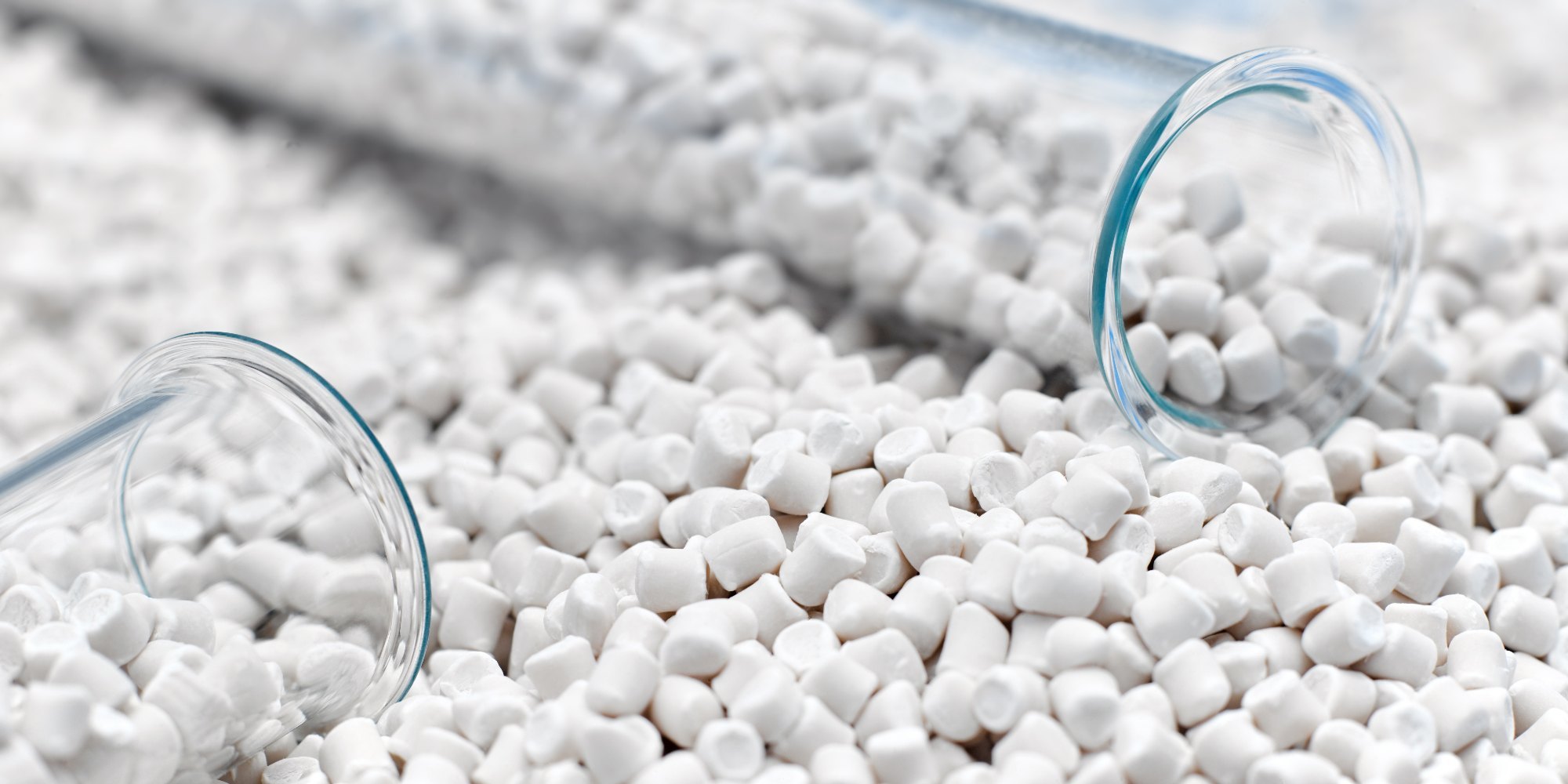
Filler masterbatch consists of a high loading of inorganic fillers, most commonly calcium carbonate (CaCO₃), dispersed in a carrier resin compatible with the base polymer such as polypropylene (PP) or polyethylene (PE).
According to PlasticsEurope, global plastics production exceeds 390 million tons annually, with PP and PE accounting for the largest share. As a result, optimizing PP and PE cost has a significant impact on overall production expenses, making filler masterbatch an important cost-control tool.
Read more: What is filler masterbatch and how it is applied to your production?
1.2. How Filler Affects Polymer Mechanical Properties
When inorganic particles are incorporated into a polymer matrix, a composite structure is formed, altering mechanical behavior. Studies on polymer composites indicate that well-dispersed inorganic fillers can increase elastic modulus by approximately 20-50%, depending on particle size and interfacial compatibility.
Typical material changes when using filler include:
- Increased stiffness
- Reduced shrinkage during cooling
- Improved dimensional stability
However, if the filler loading exceeds the optimal threshold, tensile strength and elongation at break may decrease due to disruption of polymer chain continuity. Therefore, determining the appropriate filler ratio must be based on the mechanical performance requirements of the final product rather than purely on cost-reduction objectives.
1.3. Economic Impact and Market Trend
According to Fortune Business Insights, the global filler masterbatch market has surpassed USD 1 billion and is expected to maintain steady growth due to the increasing demand for cost-efficient plastic manufacturing.
Filler masterbatch is typically used at loading levels between 10-40%, depending on application. In packaging or general-purpose injection molding products, higher loadings may be acceptable if high impact resistance is not required. It is important to note that increasing inorganic filler content may lead to higher equipment wear due to the abrasive nature of CaCO₃, particularly in screws and molds.
2. Color Masterbatch - Controlling Appearance and Color Consistency
2.1. Nature and Structure
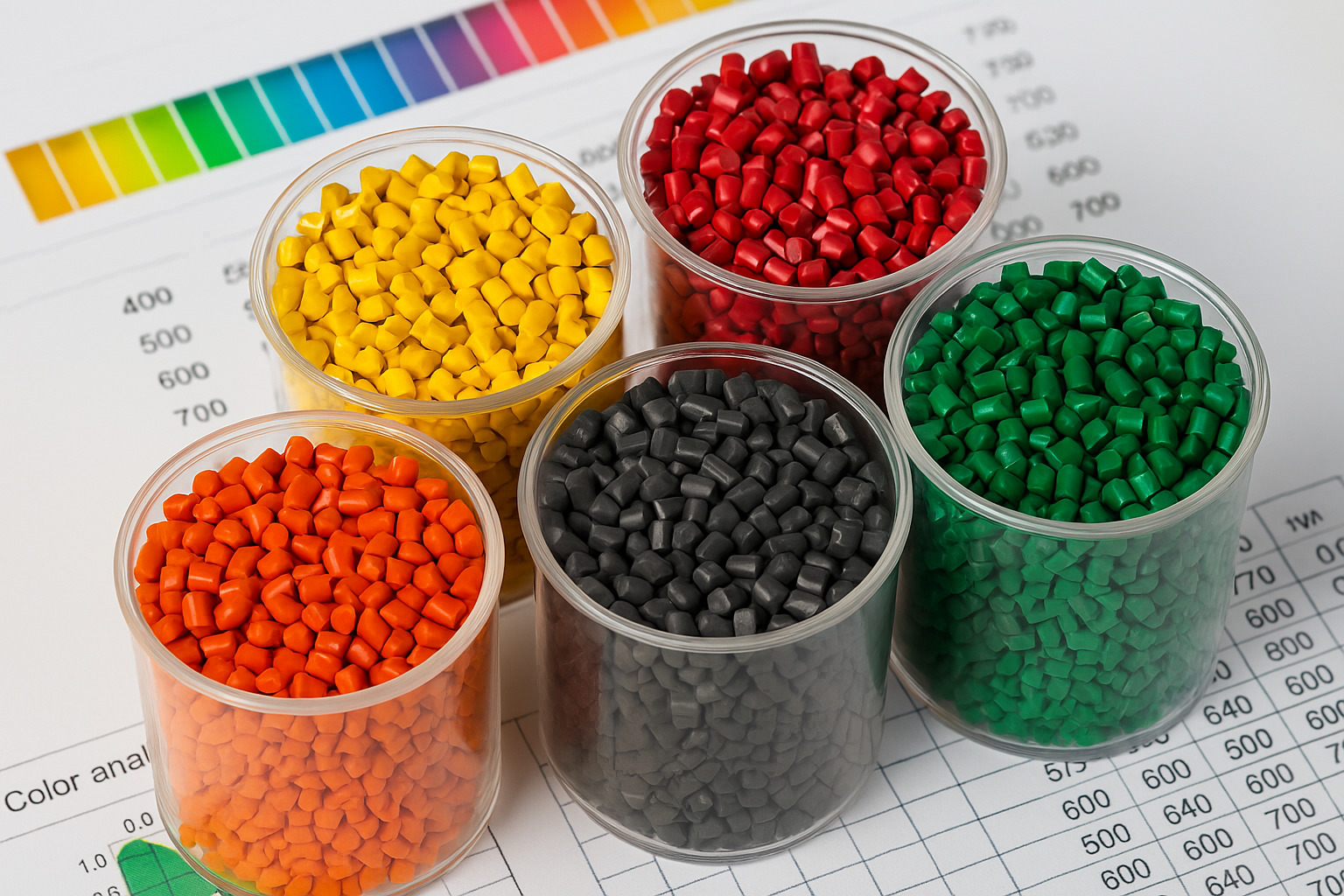
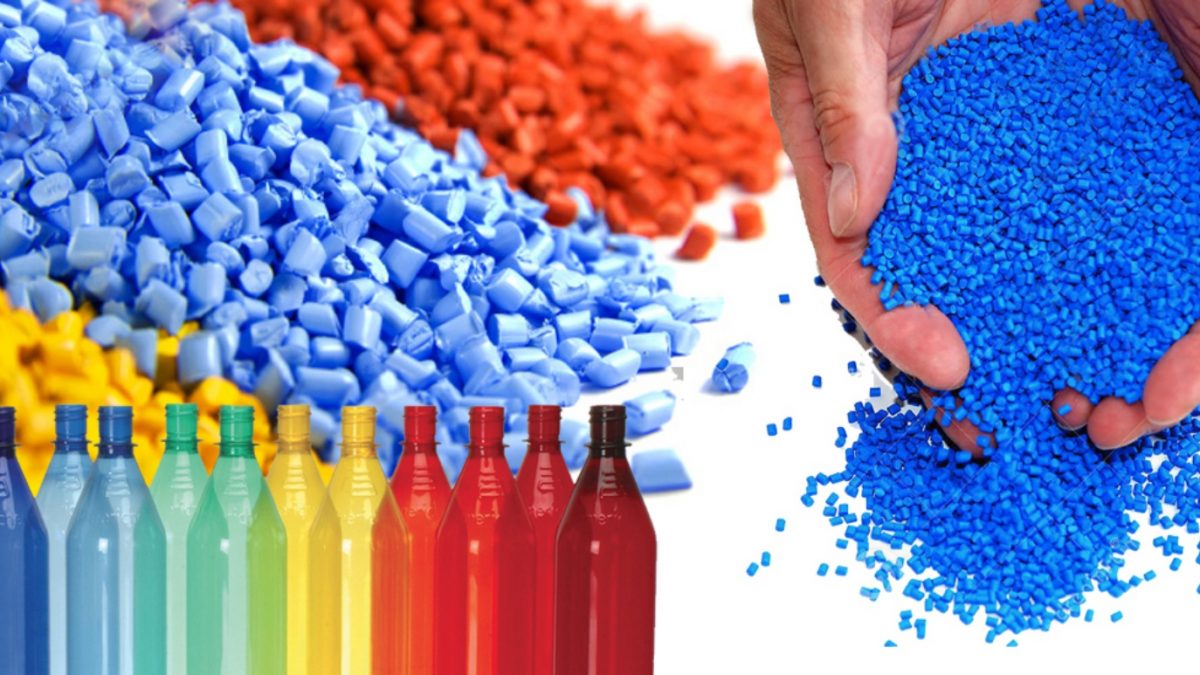
Color masterbatch consists of pigments (organic or inorganic) pre-dispersed in a carrier resin compatible with the base polymer. The pigment system is engineered to ensure uniform dispersion during processing.
According to P&S Intelligence, demand for color masterbatch continues to grow, driven by packaging, consumer goods, and electronics sectors where high color consistency between production batches is essential.
Read more: What is color masterbatch and how was masterbatch produced?
2.2. Comparison with Powder Pigments
Compared to direct powder pigment addition, color masterbatch offers:
- More precise dosing
- Better dispersion
- Reduced dust generation in production environments
Since color masterbatch is typically used at low levels (0.5-5%), it generally has minimal impact on mechanical properties in most standard applications. Certain inorganic pigments, such as titanium dioxide (TiO₂), can also improve opacity and surface coverage.
3. Additive Masterbatch - Enhancing Functional Performance
3.1. Definition and Function
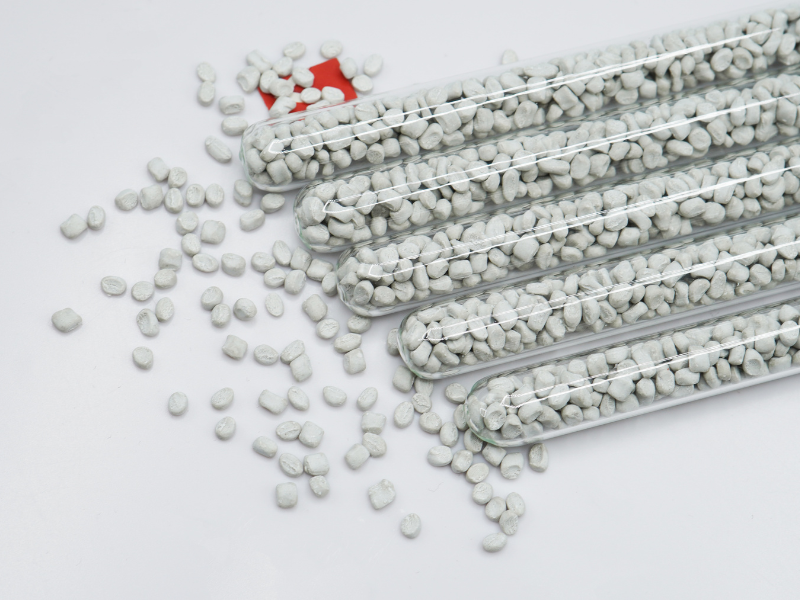
Additive masterbatch is a concentrated system containing functional additives designed to improve specific polymer properties without altering color or primary structure. Additive masterbatch enables the controlled incorporation of additives in concentrated form, ensuring better dispersion and dosing compared to loose additives.
Read more: What are plastic additives? 8 most common plastic additives in plastic industry
Common additive categories include:
- UV stabilizers
- Anti-static agents
- Flame retardants
- Antioxidants
3.2. Impact on Product Lifecycle
Additive masterbatch can significantly extend product lifespan by mitigating environmental degradation. For example, UV stabilizers reduce photodegradation when polymers are exposed to sunlight for extended periods. Although additive masterbatch is typically used at low concentrations (1-3%), its functional impact can be substantial, particularly in outdoor applications or high-safety industries.
4. When Should You Use Filler, Color, or Additive Masterbatch?
Selecting the appropriate type of masterbatch should not be based solely on routine practice or short-term cost considerations. Instead, it must align with the technical requirements of the final product.
In flexible packaging production, where profit margins are highly sensitive to raw material costs, filler masterbatch is often prioritized to optimize expenses and control shrinkage. However, for applications requiring high impact strength or flexibility, filler loading must be carefully controlled to prevent mechanical performance deterioration.
In contrast, for consumer products such as electronic housings, branded packaging, or household components, color consistency and aesthetic quality are critical. In these cases, color masterbatch plays a central role in ensuring uniform appearance and compliance with brand standards.
For outdoor applications or specialized environments—such as agricultural films, sensitive electronic packaging, cables, or electrical components—additive masterbatch becomes essential. UV stabilizers, flame retardants, or anti-static agents ensure long-term stability and operational safety.
Each masterbatch category corresponds to a distinct objective: cost optimization, aesthetic control, or functional enhancement. Choosing the wrong type can disrupt the balance among these three factors.
5. Can All Three Types Be Combined in One Formulation?
In industrial practice, combining filler, color, and additive masterbatch within the same polymer system is common. However, such integration requires precise formulation control to avoid adverse interactions.
For example, in outdoor black packaging applications, a formulation may include:
- Filler masterbatch to reduce cost and increase stiffness
- Color masterbatch to achieve uniform black pigmentation
- Additive masterbatch containing UV stabilizers for weather resistance
However, the total masterbatch loading cannot be increased arbitrarily. Excessive additive content may significantly alter melt flow behavior (MFI - Melt Flow Index), affecting mold filling, film thickness uniformity, and surface quality.
Therefore, manufacturers must carefully evaluate:
- Rheological properties
- Post-processing mechanical performance
- Long-term environmental stability
Optimized integration requires laboratory testing and mechanical validation before large-scale production.
6. Common Misconceptions About Filler, Color, and Additive Masterbatch
One frequent misconception is that white filler can completely replace white color masterbatch containing titanium dioxide (TiO₂). In reality, CaCO₃ and TiO₂ produce whiteness through different mechanisms. CaCO₃ primarily increases opacity, whereas TiO₂ provides higher light reflectivity and superior coverage. As a result, the two materials cannot fully substitute each other in applications requiring high brightness and surface quality.
Another misunderstanding is that additive masterbatch is only necessary when a problem occurs. In many technical applications—such as electrical cables or automotive components—flame retardants or antioxidant systems are mandatory to meet safety standards.
Additionally, increasing filler loading purely to reduce cost without re-evaluating mechanical performance can lead to reduced impact strength and higher risk of cracking during long-term service.
7. Masterbatch Market Trends in the Plastics Industry
According to market reports from P&S Intelligence and Fortune Business Insights, global masterbatch demand continues to rise due to:
- Expansion of the packaging sector
- Growth in automotive and electronics industries
- Increasing demand for sustainable and high-performance materials
A notable trend is the development of environmentally responsible masterbatch solutions, including surface-treated mineral fillers, color systems compatible with recycled polymers, and additives designed to extend product lifecycle and reduce indirect emissions.
Balancing cost efficiency and functional performance has become a new standard in material design.

8. Conclusion
Filler, color, and additive masterbatch are not interchangeable variations of the same solution. They are three distinct material systems with fundamentally different technical objectives.
- Filler masterbatch focuses on cost optimization and mechanical adjustment.
- Color masterbatch ensures aesthetic quality and color consistency.
- Additive masterbatch enhances functional performance and product durability.
Understanding these differences enables manufacturers to make informed formulation decisions, minimize technical risks, and achieve a balanced outcome between performance and economic efficiency. In a highly competitive production environment, accurate material selection is a decisive factor in achieving both technical reliability and cost.
9. About EUROPLAS
EUROPLAS is one of the leading filler masterbatch manufacturers with over 17 years of experience in the plastics industry. With an export volume of 0.9 million tons/year, the company owns a system of 7 modern, high-capacity factories, supplying products to customers in over 95 countries worldwide. Thanks to its stable technology foundation, rigorous quality control processes, and proactive supply chain, EUROPLAS maintains a sustainable supply capacity for partners in the packaging, injection molding, film blowing, and engineering plastics industries.
EUROPLAS filler masterbatch is produced from high-quality CaCO₃, uniformly dispersed in compatible PE, PP, or other polymer matrix materials. The product optimizes raw material costs, improves hardness and dimensional stability, making it suitable for packaging, plastic bags, civil injection molding, and many other industrial applications.
EUROPLAS color masterbatch offers a diverse color system with good dispersion and high stability between production batches. The product is designed to be compatible with many types of base resins, ensuring color uniformity and meeting aesthetic requirements in consumer packaging, electronics, and engineering plastic components.
EUROPLAS's line of plastic additives includes functional solutions such as UV protection, anti-static, anti-slip, flame retardant, and many other specialized additive systems. These products improve performance and extend material lifespan under real-world conditions, especially in outdoor environments or demanding technical requirements.
If you are looking for cost-effective solutions, color enhancement, or performance improvement for your plastic products, contact EUROPLAS' technical team for advice on the right formula for your specific application.
Author: The EuroPlas Team